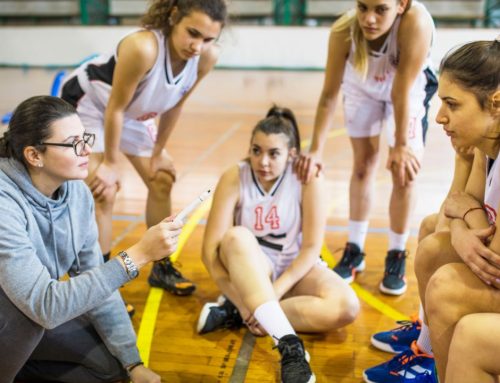
A great way to have fun and bring a team together is by using humor. However, some coaches may think that they are using humor when in fact they are using sarcasm. Sarcasm can be hurtful to players and destructive to the team, so it is important to be aware of the difference.
Humor vs Sarcasm
Humor, the quality of being amusing or comical, can keep athletes laughing and help them enjoy a sport that at times might be difficult and intense. It can give players a break and make things lighter. When a coach uses positive humor, it is a great thing. Sarcasm on the other hand is the use of irony to mock or convey contempt and is often used to cut or give pain. Sarcasm is hard on players and teams. And unfortunately many coaches don’t understand the difference.
How many times have you heard a coach make fun of a player? They might say, “Nice pass,” when a player made a terrible pass. The coach thinks they are making light of the situation, but instead it only brings resentment and pain for that player. If the player acts hurt, a coach may even respond with, “I was just kidding or it was a joke.” which doesn’t help. The damage has been done.
A Fine Line
There can be a fine line between humor and sarcasm. If a coach has a close connection to a player and they understand the humor of that player, they might joke in a way that is close to sarcasm. The player may also think it is funny and the comment does the trick of lightening up the mood at practice. But it’s best to proceed with caution and truly understand the difference. Be aware of your intent with a comment, but more important consider how a young player might take what you are saying. A comment might seem funny to you, but feel mean-hearted to an athlete. Sticks and stones may break my bones but words will never hurt me, isn’t always true.
Every Coach Is Different
Some coaches have a natural sense of humor and know how to keep the team smiling. But if you don’t, it doesn’t mean you can’t find a way to joke around and tell a funny story. The key is to keep things positive. I’m a pretty serious person, still; from time to time I joked around with my players. But not about my players. Laughing together, not at a teammate, can unite players and give them a sense of belonging. And as a coach, it doesn’t hurt to encourage your players (if they have an inclusive sense of humor), to use it to keep the team laughing, as long as the player understand when it’s time to be serious. And your coaches can help as well. I was lucky to have an assistant coach who had a great sense of humor and could get the girls rolling.
Find The Right Balance
Funny stories, jokes and observations can create a fun environment that is infectious. Just remember to use humor, not sarcasm. And make sure your players understand when the joking is over and it’s time to get to work. It can be a real balancing act, but one that’s worth it. Remind yourself to keep your comments positive. A humorous moment can break up a long day of drills and be helpful for relieving tension and stress. And as a season progresses, and becomes more intense, it can be even more valuable to lighten things up. A coach’s words have a powerful and often long-lasting effect on their players. So, look at incorporating positive humor from time to time, and bring more joy and connection to your players and your team.